



Nutrition
How fiber feeds your gut bacteria
A plain-English look at why fiber matters for a diverse microbiome.
The Science
What the research actually says about your gut microbiome — and why it matters for how you feel every day. No hype, just the science, in plain English.
 Research-based
Reviewed and updated 2026
Research-based
Reviewed and updated 2026
Your gut is home to trillions of bacteria — collectively, the gut microbiome. They help break down food, make certain vitamins, and interact with your immune system. [1]
Researchers increasingly see the balance of these bacteria as central to digestive comfort and overall wellbeing. [2]

A balanced microbiome: beneficial bacteria and dietary fiber, working together.
The gut doesn't work in isolation. It communicates with the brain and immune system through nerves, hormones, and signaling molecules — often called the gut–brain axis. Studies indicate this two-way link can influence mood, energy, and digestion. [3]
That's part of why how you feel and how you digest are so closely tied.
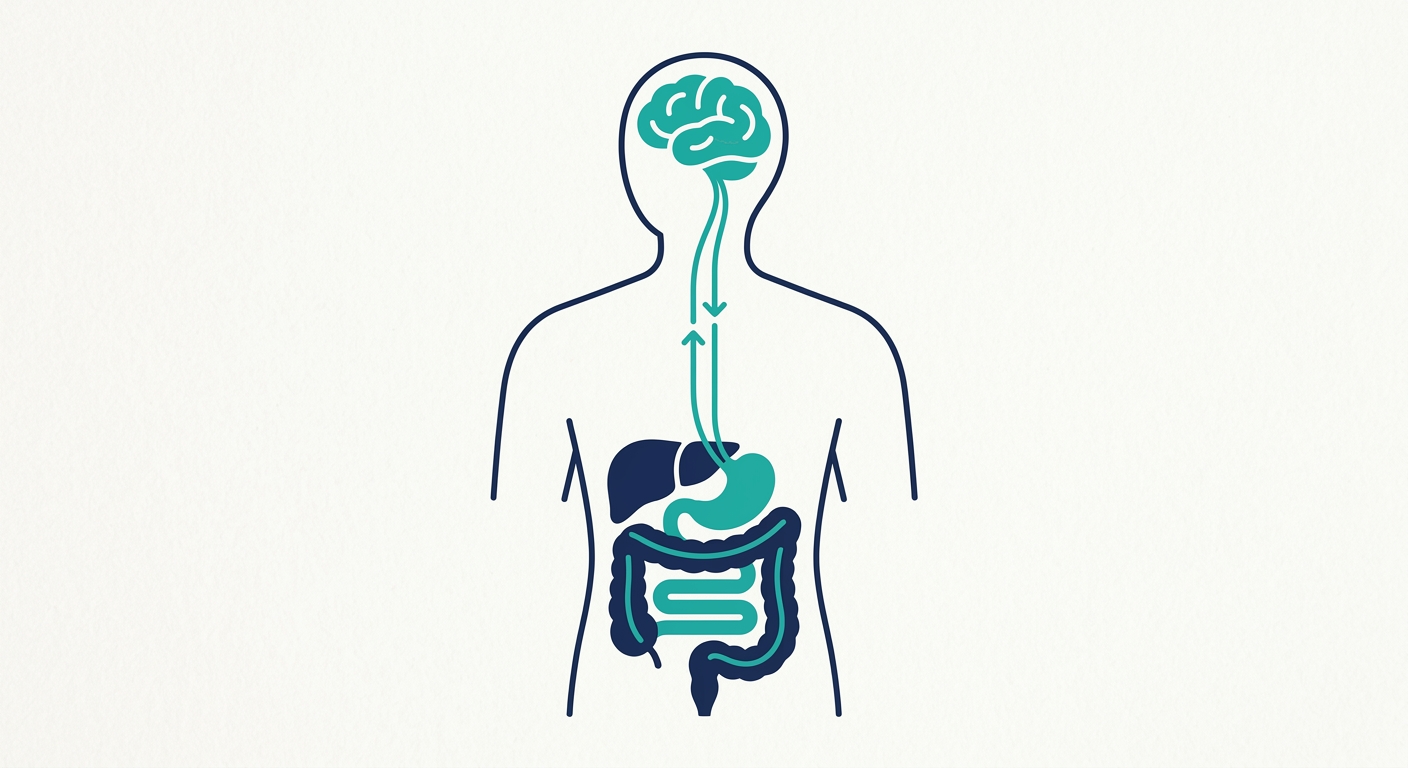
The gut–brain axis: signals travel both ways.
Cortisol is your body's main stress hormone. Research suggests that chronic stress and elevated cortisol can affect the gut environment and the balance of gut bacteria. [4]
This is part of why digestion and stress so often go hand in hand.

In studies, calmer stress patterns are associated with a more favorable gut environment — one reason researchers look at stress and digestion together rather than in isolation. [4]
LPS (lipopolysaccharide) is a molecule on the surface of certain gut bacteria. When the gut barrier is working well, it stays where it belongs. Research has studied how a compromised barrier may let more LPS through, which the body can read as an inflammatory signal. [5]
A healthy gut barrier and a balanced microbiome are areas of active research for overall wellbeing.

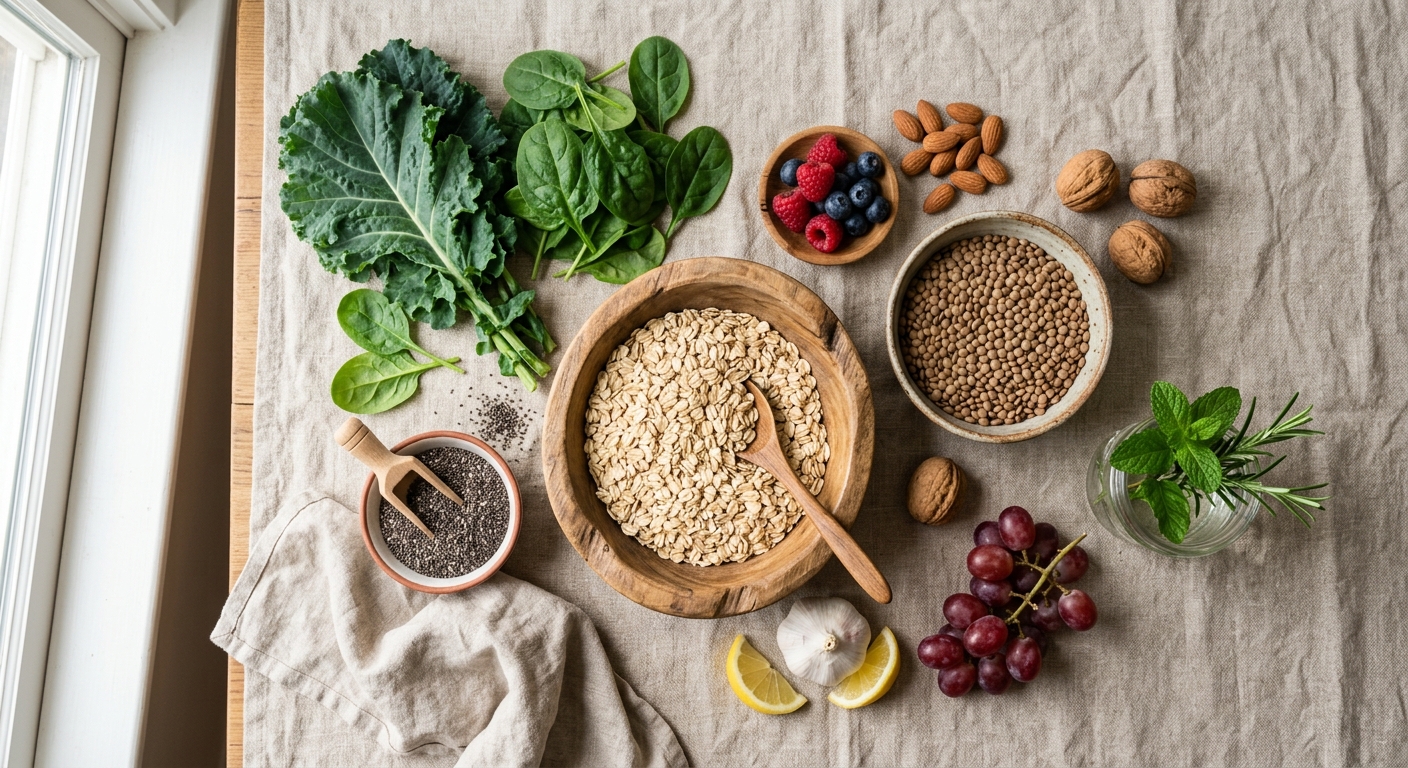
Dietary fiber feeds beneficial gut bacteria. Research associates higher fiber intake with a more diverse microbiome. [6]

Some plant ingredients, like ginger, are traditionally used to support digestive comfort. [8]

OptiBelly is built around what the research supports for gut health — full-dose, third-party tested, no proprietary blends.
These statements have not been evaluated by the Food and Drug Administration. This product is not intended to diagnose, treat, cure, or prevent any disease.
These peer-reviewed sources support the general, structure/function statements on this page. They’re shared for education and don’t imply OptiBelly diagnoses, treats, or prevents any condition.
This guide is written and maintained by the OptiBelly team, and reviewed and updated in 2026. We aim to reflect what current research suggests about gut health, in plain English. It's educational, isn't medical advice, and isn't a substitute for talking with your doctor.
A plain-English look at why fiber matters for a diverse microbiome.

What the research suggests about how stress shows up in your gut.
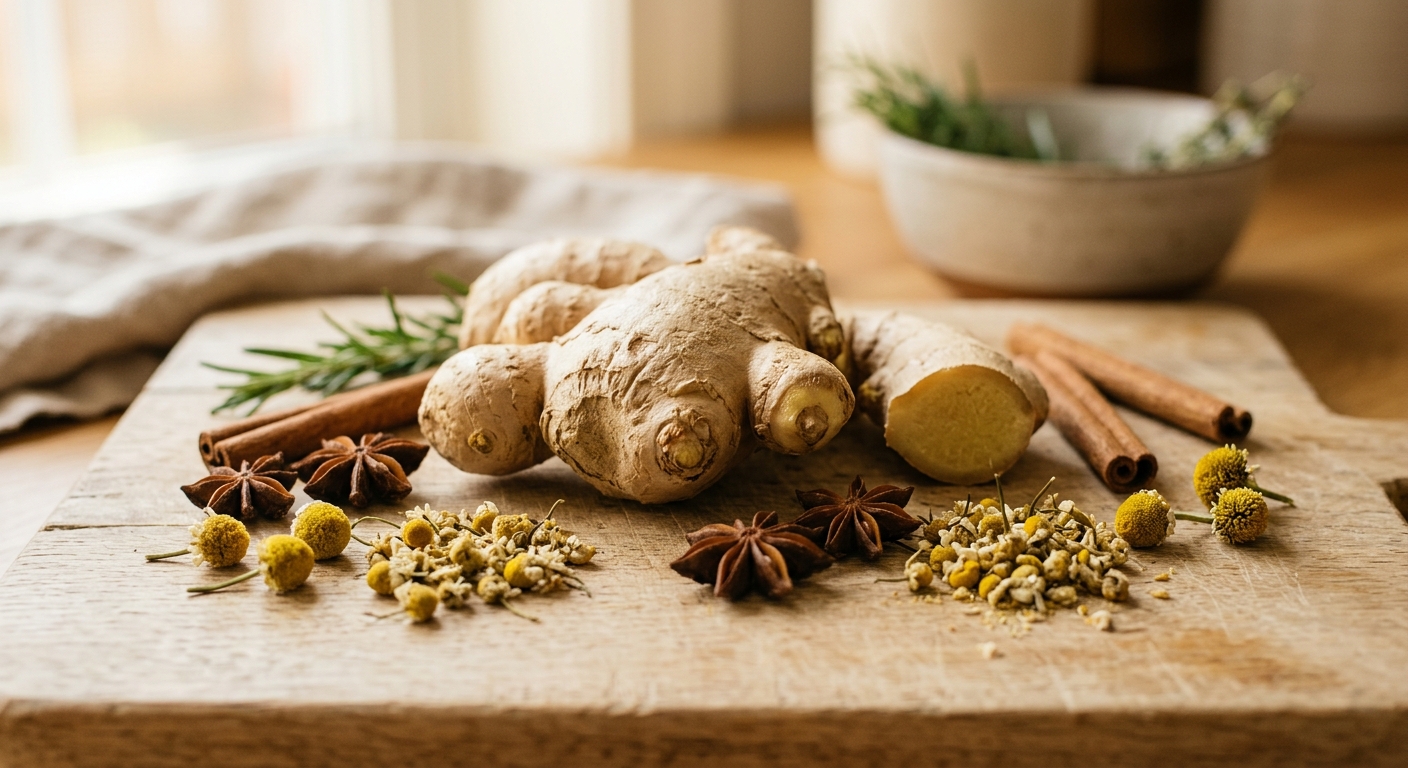
A closer look at a plant ingredient with a long traditional history.
Take the 60-second quiz and we'll point you in the right direction.
These statements have not been evaluated by the Food and Drug Administration. This product is not intended to diagnose, treat, cure, or prevent any disease. This page is for educational purposes and is not medical advice.